Raccoon Removal

Understanding Raccoon Behavior
Raccoons are primarily nocturnal animals, meaning they are most active during the night. They are highly intelligent and can easily find ways to access food and shelter, even in urban environments. Raccoons are omnivores, meaning they eat both plants and animals. Their diet includes fruits, nuts, insects, small mammals, and even garbage.
Raccoon Habitat and Nesting Sites
Raccoons prefer to nest in dark, sheltered areas such as attics, chimneys, and crawl spaces. They are also known to create dens in hollow trees, abandoned buildings, and under decks. These nesting sites provide them with protection from the elements and predators.
Common Signs of Raccoon Infestations
If you suspect a raccoon infestation, there are several signs to look out for: - Nocturnal Noise: Scratching, rustling, or thumping sounds in the attic or walls, especially at night. - Droppings: Raccoon feces, which are often dark and tubular, can be found in areas where they nest or travel. - Damage to Property: Raccoons can cause significant damage to roofs, vents, and other structures as they create entry points. - Tracks and Trails: Look for raccoon footprints in soft soil or snow, or trails leading to and from their nesting sites.
The Importance of Raccoon Removal
Raccoons can pose several risks to both your property and your health. Here are some reasons why it's crucial to address raccoon infestations promptly:
Property Damage
Raccoons are known for their destructive behavior. They can tear through roofing materials, damage insulation, and chew through electrical wires, leading to costly repairs. Additionally, they can create holes in walls and floors to gain access to your home.
Health Risks
Raccoons can carry various diseases, including rabies, leptospirosis, and raccoon roundworm. These diseases can be transmitted to humans and pets through contact with raccoon droppings or bites. Raccoon roundworm, in particular, can cause severe health issues if ingested.
Safety Concerns
Raccoons are generally non-aggressive but can become defensive if they feel threatened, especially when protecting their young. This can lead to bites or scratches, which can be painful and may require medical attention.
Methods for Raccoon Removal
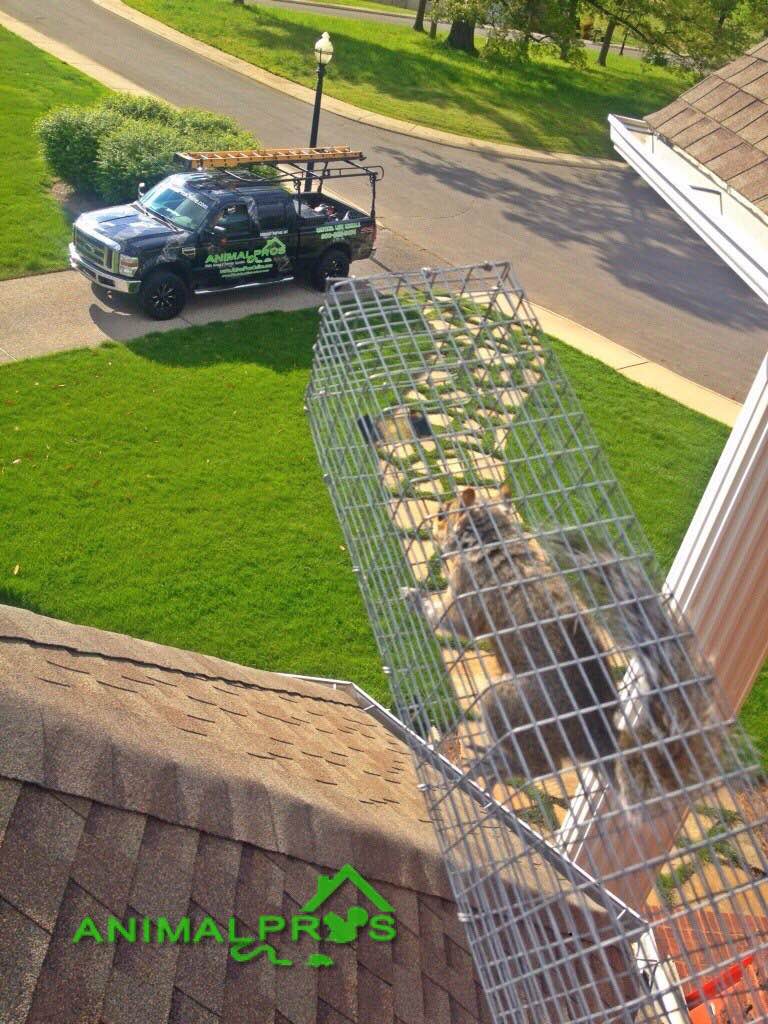
There are several methods for removing raccoons from your property. The most effective approach often involves a combination of techniques tailored to your specific situation.
Professional Raccoon Removal Services
Hiring a professional wildlife control service is often the best option for dealing with raccoon infestations. These experts have the knowledge, experience, and equipment to safely and humanely remove raccoons and prevent future infestations.
DIY Raccoon Removal
If you prefer to handle the situation yourself, there are a few DIY methods you can try:
Trapping and Relocating
Exclusion Methods
Preventing Raccoon Infestations
Prevention is key to avoiding raccoon infestations in the first place. Here are some tips to make your property less attractive to raccoons:
Maintain a Clean Environment
Secure Your Home
Use Natural Deterrents
Legal Considerations
Before attempting to remove raccoons from your property, it's important to understand the legal regulations in your area. Raccoons are protected in many states, and it may be illegal to trap, relocate, or harm them without a permit. Always check with your local wildlife control agency or department of natural resources for specific guidelines and requirements.
Permits and Licenses
Humane Treatment
When to Call for Help
While DIY methods can be effective in some cases, there are situations where it's best to call in a professional:
Large Infestations
If you have a large number of raccoons infesting your property, it may be challenging to handle the situation on your own. Professional wildlife control services have the resources and expertise to efficiently remove multiple raccoons and prevent future infestations. Consider contacting a reliable service for raccoon removal to ensure the job is done right.
Nesting Raccoons
If you suspect that raccoons are nesting with young, it's crucial to handle the situation carefully. Removing adult raccoons without addressing the presence of their young can lead to further problems and may be inhumane. Professionals can safely remove both adult raccoons and their young, ensuring a humane solution.
Health Concerns
If you have health concerns, such as the presence of raccoon droppings or the risk of disease transmission, it's best to seek professional help. Wildlife control experts can safely and effectively clean and sanitize affected areas.
FAQs
Can I use poison to get rid of raccoons?
Using poison to control raccoons is illegal and inhumane. It can also pose a risk to other wildlife, pets, and humans. Always use humane methods for raccoon removal.
How do I humanely trap a raccoon?
Use a humane live trap baited with food that raccoons find attractive. Place the trap in an area where raccoons are known to frequent and check it regularly. Once a raccoon is caught, contact a wildlife control service for relocation.
Can I relocate raccoons myself?
Relocating raccoons yourself can be challenging and may be illegal in some areas. It's best to contact a professional wildlife control service to ensure that the relocation is done safely and legally.
How can I prevent raccoons from coming back?
To prevent raccoons from returning, seal all entry points, secure trash cans, and remove food sources. Use natural deterrents and maintain a clean environment to make your property less attractive to raccoons.
What should I do if I find a raccoon in my attic?
If you find a raccoon in your attic, avoid approaching it. Contact a professional wildlife control service to safely remove the raccoon and address any damage it may have caused.
Are raccoons dangerous to pets?
Raccoons can pose a risk to pets, especially small animals. They can transmit diseases and may become aggressive if they feel threatened. Keep your pets indoors at night and supervise them when they are outside.
By following these guidelines, you can effectively manage raccoon infestations and create a safer, more comfortable living environment for you and your family.
Sacramento Valley Wildlife Services
6839 Hillside Dr, Carmichael CA 95608
(916) 802-9453