
Pest Inspection Trees
Why Tree Pest Inspections Matter
Regular tree pest inspections serve as the first line of defense against potential threats to your trees. Early detection of pest problems can save trees from irreversible damage and prevent the spread to other plants in your landscape. Without proper inspection, pest infestations can go unnoticed until they reach severe levels, requiring more drastic and expensive interventions.
The economic impact of tree pests extends beyond individual property values. In forestry and agricultural settings, pest outbreaks can result in millions of dollars in losses. Ecologically, pest infestations can disrupt local ecosystems, affect biodiversity, and even contribute to the spread of invasive species that threaten native tree populations.
Common Tree Pests to Watch For
Insect Pests
Numerous insects can harm trees, including borers that tunnel through wood, aphids that suck sap from leaves, and caterpillars that defoliate entire canopies. Bark beetles are particularly destructive as they attack the tree's circulatory system, while emerald ash borers have devastated ash tree populations across North America. Spider mites, though tiny, can cause significant damage by piercing leaf cells and extracting their contents.
Fungal and Bacterial Issues
Not all tree pests are insects. Fungal diseases like powdery mildew, root rot, and cankers can weaken trees and make them more susceptible to other problems. Bacterial infections such as fire blight can spread rapidly through a tree, causing branch dieback and potentially killing the entire tree if left untreated.
Signs of Pest Infestation
Visual indicators of pest infestation include holes in leaves or bark, discolored foliage, and unusual growths or deformities. You might also notice sawdust-like material (frass) at the base of trees, which often indicates boring insect activity. Sticky honeydew substance on leaves or sooty mold growth can signal aphid or scale insect infestations.
Beyond visible signs, changes in tree health such as wilting, premature leaf drop, or stunted growth can point to pest problems. Certain pests are more active during specific seasons, so understanding these patterns can help you time your inspections more effectively and catch infestations early.
When to Conduct Tree Pest Inspections
Seasonal Timing
The best time for tree pest inspections varies by region and pest type, but generally, spring and early summer are critical periods when many pests become active. Fall inspections are also valuable for identifying issues that might worsen over winter. During winter months, you can inspect deciduous trees more easily without leaves obscuring your view of the bark and branches.
Frequency of Inspections
For most residential properties, conducting thorough inspections at least twice a year is recommended. However, high-value trees, those with known pest issues, or trees in areas with active pest outbreaks may require monthly or quarterly checks. After storms or extreme weather events, additional inspections are advisable as stressed trees become more vulnerable to pest attacks.
DIY vs. Professional Inspection
While homeowners can perform basic visual inspections, professional arborists bring expertise, specialized tools, and knowledge of local pest threats. DIY inspections can catch obvious problems but may miss subtle signs that professionals are trained to detect. Professionals can also provide accurate identification of pests and recommend appropriate treatment strategies.
Consider calling a professional if you notice widespread damage, multiple affected trees, or if your trees show signs of severe stress. Additionally, if you've had recurring pest problems despite treatment efforts, a professional assessment can identify underlying issues you might have missed.
Professional Tree Care Benefits
For homeowners looking to maintain their landscape's health and beauty, understanding the https://urbancanopyblog.com/tree-care/benefits-of-professional-tree-care benefits of professional tree care is essential. This service can help ensure your trees remain healthy and safe for years to come.
Prevention and Treatment Strategies
Preventive Measures
Prevention is always better than cure when it comes to tree pests. Selecting tree species appropriate for your climate and soil conditions reduces stress and vulnerability. Proper watering, mulching, and pruning practices keep trees healthy and better able to resist pest infestations. Creating diversity in your landscape also helps prevent the spread of pests that target specific tree species.
Treatment Options
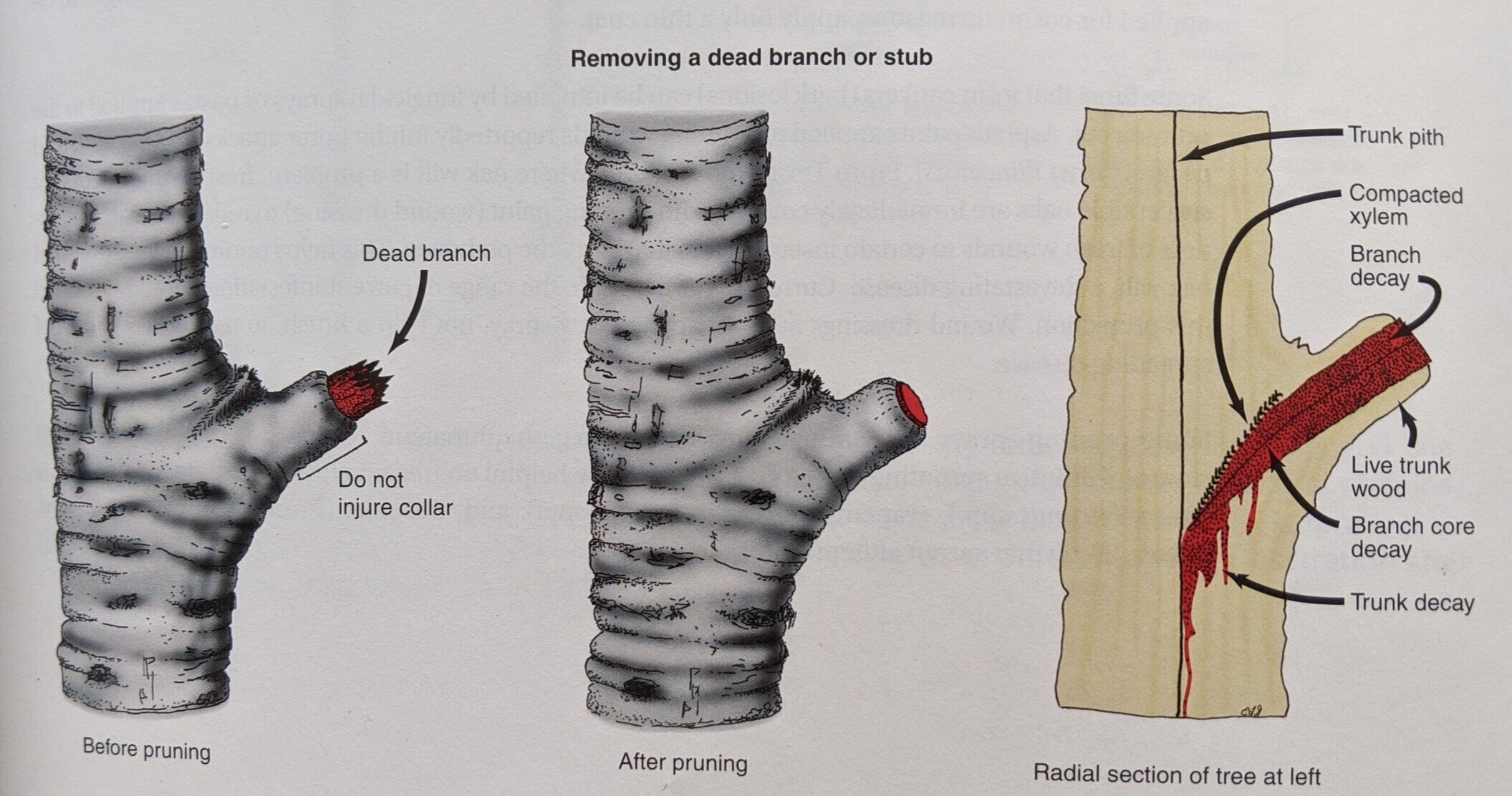
Treatment approaches range from cultural and mechanical methods to chemical interventions. Pruning affected branches, removing heavily infested trees, and introducing beneficial insects can help manage pest populations. When chemical treatments are necessary, targeted applications at the right time are most effective while minimizing environmental impact. Always follow integrated pest management principles, which prioritize the least toxic options first.
Frequently Asked Questions
How much does a professional tree pest inspection cost?
Professional inspections typically range from $75 to $150, depending on the number of trees and property size.
Are all insects on trees harmful?
No, many insects are beneficial or harmless. Proper identification is essential before taking any action.
Can tree pests affect human health?
Some tree pests can indirectly affect humans by causing allergic reactions or by damaging trees that provide environmental benefits.
How long does pest treatment take to work?
Treatment effectiveness varies, but you should see improvement within 2-4 weeks for most insecticides and fungicides.
Will pests return after treatment?
Regular monitoring and preventive maintenance are necessary as pests can return, especially if underlying conditions aren't addressed.
Can I treat tree pests myself?
Minor infestations can sometimes be handled by homeowners, but significant problems usually require professional intervention.