
Urban Tree Care Workshops
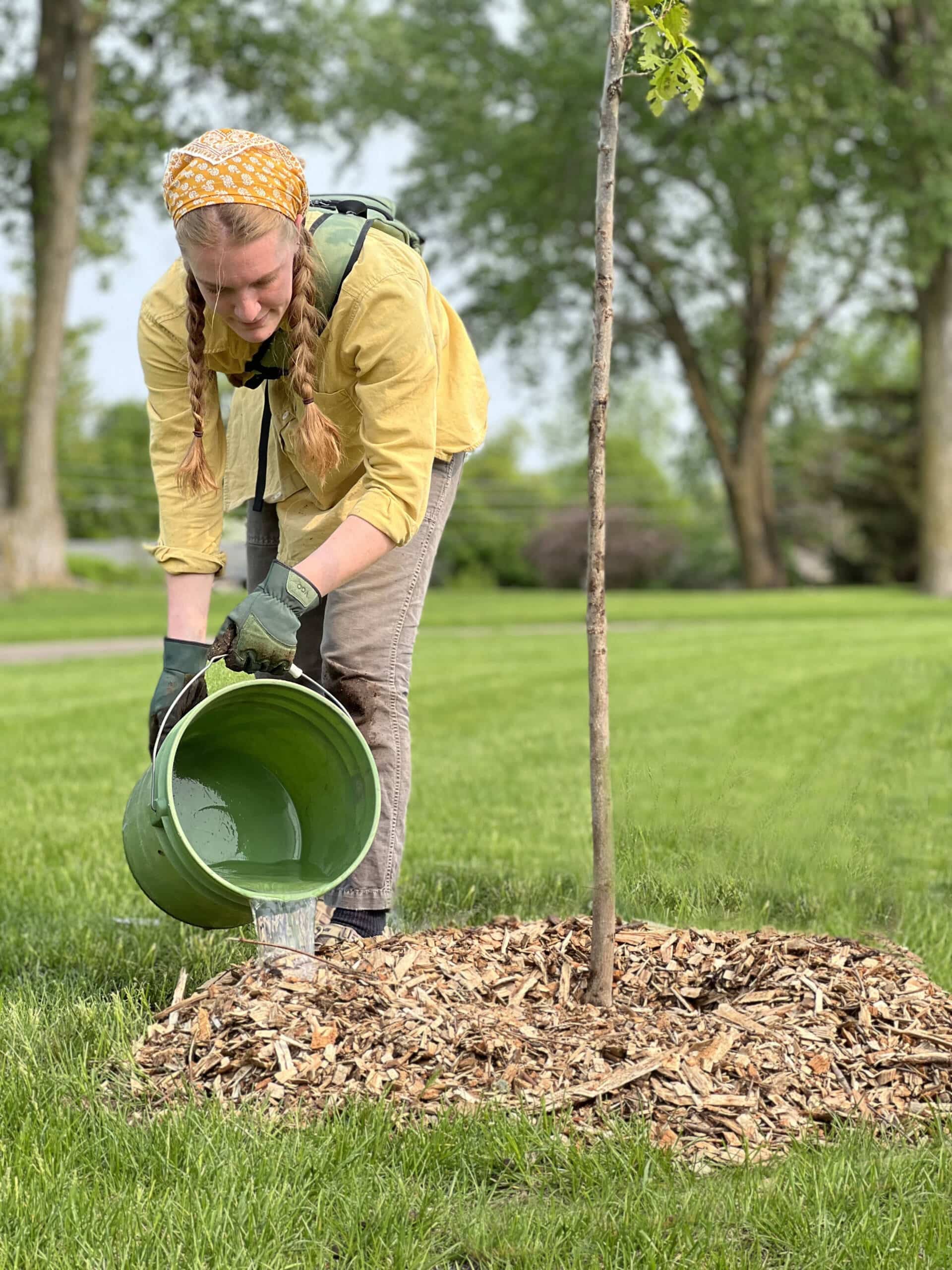
Why Urban Trees Matter
The presence of trees in urban settings offers numerous benefits that extend far beyond their natural beauty. Trees act as natural air filters, removing pollutants and producing oxygen that city dwellers breathe. They provide cooling through shade and transpiration, reducing the urban heat island effect that plagues many metropolitan areas. Additionally, trees help manage stormwater runoff, prevent soil erosion, and create habitats for urban wildlife. The economic value of mature urban trees cannot be understated either, with studies showing they can increase property values and reduce energy costs for nearby buildings.

Workshop Curriculum Overview
Urban tree care workshops are designed to provide comprehensive knowledge about tree maintenance in city environments. The curriculum typically covers both theoretical concepts and practical skills.
Tree Identification
Participants learn to identify common urban tree species, understanding their unique characteristics and growth patterns. This foundational knowledge helps in tailoring care approaches to specific tree types.
Pruning Techniques
Proper pruning is essential for tree health and structural integrity. Workshops teach participants when and how to prune, including the correct tools to use and methods that minimize damage and stress to trees.
Disease Management
Urban trees face numerous health challenges from pests, diseases, and environmental stressors. Workshop attendees learn to identify common tree ailments and implement appropriate treatment strategies, often with an emphasis on integrated pest management approaches.
Who Should Attend?
Urban tree care workshops are beneficial for a wide range of individuals. Homeowners who want to maintain the trees on their property can gain valuable skills. Community gardeners and neighborhood association members often attend to better care for shared green spaces. Landscape professionals and municipal employees may participate to enhance their technical knowledge. Additionally, environmental educators and students can benefit from the hands-on learning experience these workshops provide.
Community Impact
The effects of urban tree care workshops extend well beyond individual participants.
Environmental Benefits
When community members apply the knowledge gained from workshops, the overall health and diversity of urban forests improve. Healthier trees provide greater environmental services, including improved air quality, reduced stormwater runoff, and enhanced carbon sequestration.
Social Benefits
These workshops foster community engagement and environmental stewardship. Participants often report increased sense of connection to their neighborhoods and greater appreciation for urban green spaces. Many workshop attendees go on to volunteer for local tree planting and maintenance initiatives, amplifying the positive impact.
Finding Urban Tree Workshops Near You
Urban tree care workshops are typically offered by local parks departments, botanical gardens, cooperative extension services, and environmental nonprofits. Many municipalities maintain websites or social media pages where upcoming workshops are advertised. Local nurseries and garden centers sometimes host these events as well. Online searches using terms like "urban forestry workshops" followed by your city or region name can yield helpful results.
Starting Your Own Workshop
For those in areas without existing urban tree care workshops, creating a program can be a rewarding community project. Begin by partnering with local arborists, parks departments, or environmental organizations. Secure a suitable location with accessible trees for demonstration purposes. Develop a curriculum that addresses the specific tree care challenges in your area. Promoting the workshop through community networks, local media, and social media will help attract participants.
Success Stories
Cities across the country have seen remarkable results from initiatives of Urban Tree Care Workshops. In Portland, Oregon, a community workshop program led to a 40% increase in volunteer tree stewards, resulting in healthier street trees and reduced maintenance costs. Philadelphia's urban tree workshop graduates have planted over 1,500 new trees in underserved neighborhoods. These success stories demonstrate the transformative potential of community-based urban tree care education.
FAQs
What qualifications do I need to attend?
Most urban tree care workshops are designed for beginners and require no previous experience or qualifications.
How much do these workshops typically cost?
Many workshops are free or low-cost, especially those sponsored by municipal programs or nonprofits. Private workshops may charge between $20-$100 depending on the duration and materials provided.
Can children participate in urban tree care workshops?
While most workshops are geared toward adults, some organizations offer family-friendly sessions or specific programs for youth groups.
How long do these workshops usually last?
Workshop durations vary, but most single sessions last 2-4 hours. Some programs offer multi-day courses or series that meet weekly for several weeks.
Do I need to bring my own equipment?
Typically, all necessary tools and materials are provided, though participants may be encouraged to bring notebooks and water bottles.
Will I receive a certification after completion?
Some workshops offer certificates of participation, while more intensive programs may provide formal certification recognized by professional organizations.