
Community Tree Education
The Importance of Tree Education
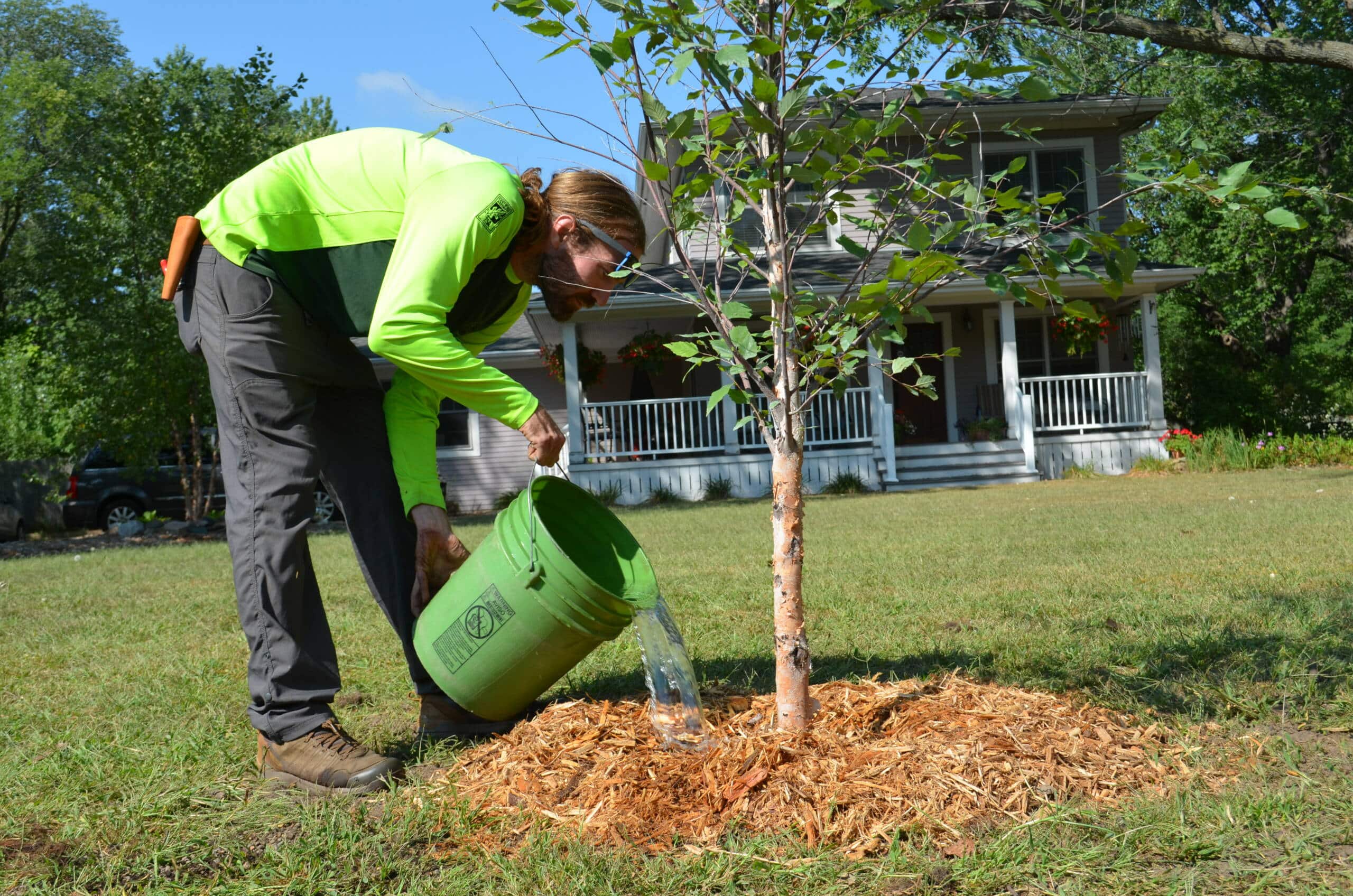
Educating community members about trees goes beyond simply identifying species. It encompasses understanding tree biology, proper care techniques, and the ecological benefits that trees provide. When people are knowledgeable about trees, they become more invested in their preservation and are more likely to participate in tree planting and maintenance initiatives.
Types of Community Tree Education Programs
School-Based Programs
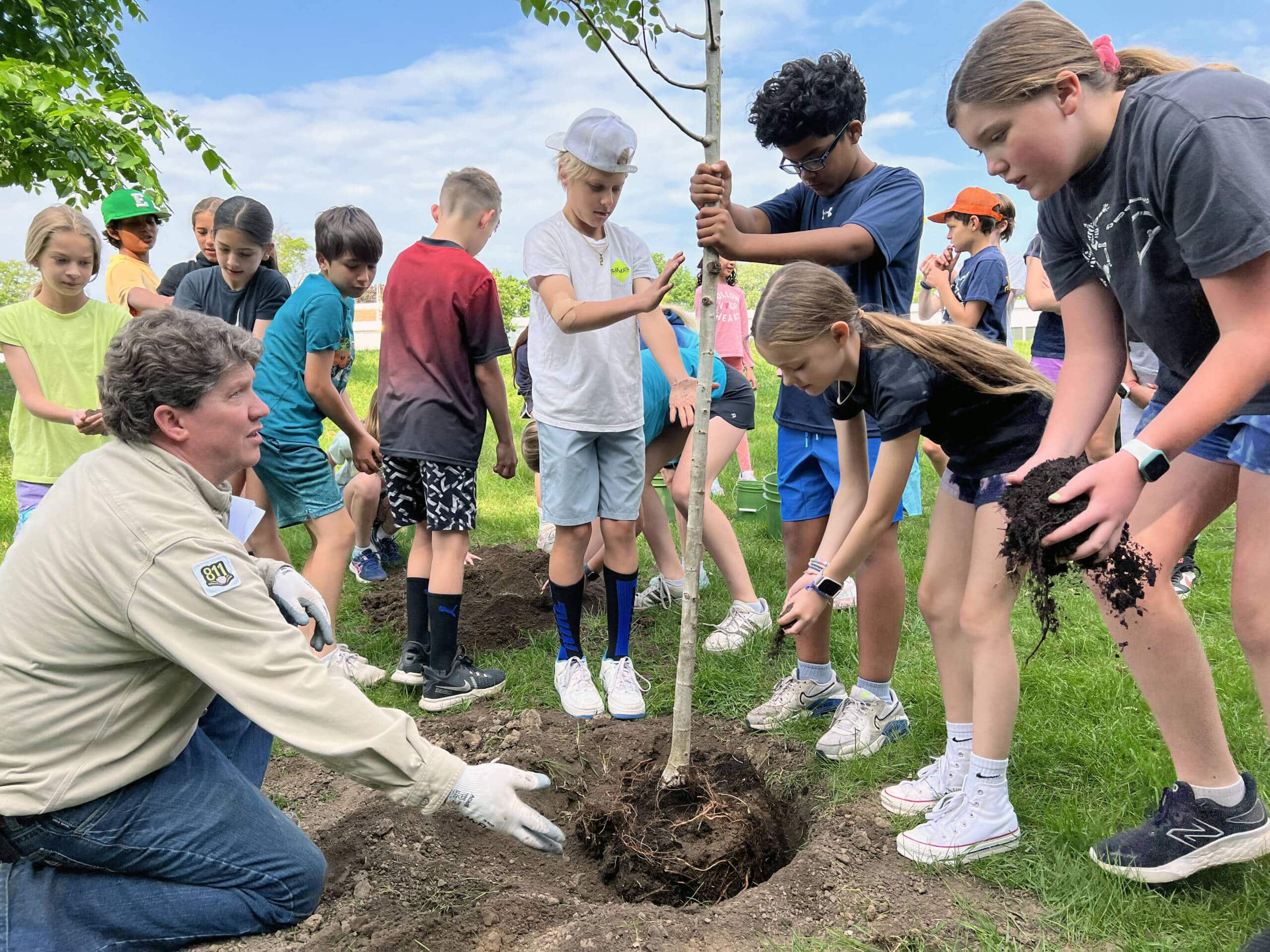
Schools offer an ideal setting for tree education, reaching children during their formative years. These programs often include hands-on activities like tree planting, leaf identification, and understanding the role of trees in ecosystems. By engaging students early, communities cultivate future environmental stewards who will value and protect urban forests.
Public Workshops
Workshops provide accessible learning opportunities for residents of all ages. Topics might include proper pruning techniques, disease identification, or selecting appropriate tree species for specific locations. These sessions are typically led by arborists, horticulturists, or experienced volunteers who bring expertise to community members.
Citizen Science Initiatives
Citizen science programs invite community members to participate in data collection and monitoring of local trees. These initiatives help scientists gather valuable information while educating participants about tree health, growth patterns, and environmental factors affecting urban forests.
Benefits of Community Tree Education
Environmental Benefits
When communities understand tree care principles, urban forests become healthier and more resilient. Properly maintained trees provide better air filtration, reduce urban heat island effects, and create more effective wildlife habitats. Educated residents can also identify and address potential problems before they become severe.
Social Benefits
Community tree education fosters social connections and neighborhood pride. Working together on tree-related projects builds relationships among residents and creates a sense of shared purpose. These strengthened community bonds often extend beyond tree-focused activities.
Getting Started with Community Tree Education
Starting a community tree education program begins with assessing local needs and resources. Many successful programs partner with municipal forestry departments, nonprofit organizations, or extension services. Initial events might include tree walks, planting demonstrations, or educational booths at community fairs to gauge interest and build momentum.
Measuring Success
Successful community tree education programs establish clear metrics for evaluation. These might include the number of participants, trees planted, or measurable improvements in tree health. Long-term success indicators often include sustained volunteer engagement, reduced tree mortality rates, and increased community advocacy for urban forests.
Overcoming Challenges
Common challenges include securing funding, maintaining volunteer interest, and reaching diverse audiences. Successful programs like Community Tree Education address these issues through grant writing, creating varied volunteer opportunities, and offering multilingual resources. Flexibility and responsiveness to community feedback are essential for long-term viability.
FAQs
What age groups can participate in community tree education?
Community tree education can be adapted for all age groups, from preschool children to senior citizens.
Do I need prior knowledge about trees to join a program?
No prior knowledge is necessary. Programs are designed to accommodate beginners and experts alike.
How can I find tree education programs in my area?
Check with local parks departments, botanical gardens, cooperative extension offices, or environmental nonprofits.
Are there online resources for learning about trees?
Yes, many organizations offer webinars, identification guides, and educational materials online.
Can tree education lead to career opportunities?
Absolutely. Many participants develop skills that can lead to careers in arboriculture, urban forestry, or environmental education.
How can I start a tree education program in my community?
Begin by connecting with local officials and environmental organizations, then assess community interest and available resources.