
Tree Health Assessment
Why Tree Health Assessment Matters
A healthy tree contributes significantly to the ecosystem and landscape. Regular assessments help detect problems before they become severe, potentially saving the tree from irreversible damage or death. Trees in poor health can pose safety risks through falling branches or complete failure, especially during storms. Additionally, early detection of diseases or pests can prevent their spread to other trees in the area. Proactive tree care also maintains property value and ensures that trees continue to provide environmental benefits for years to come.
Benefits of Regular Assessments
Consistent tree health evaluations offer multiple advantages. They extend the lifespan of trees, reduce maintenance costs over time, and preserve the aesthetic appeal of your landscape. Early problem identification often means simpler, less expensive treatments compared to addressing advanced issues. Furthermore, healthy trees are more resilient to extreme weather conditions and better support local wildlife.
Signs of a Healthy Tree
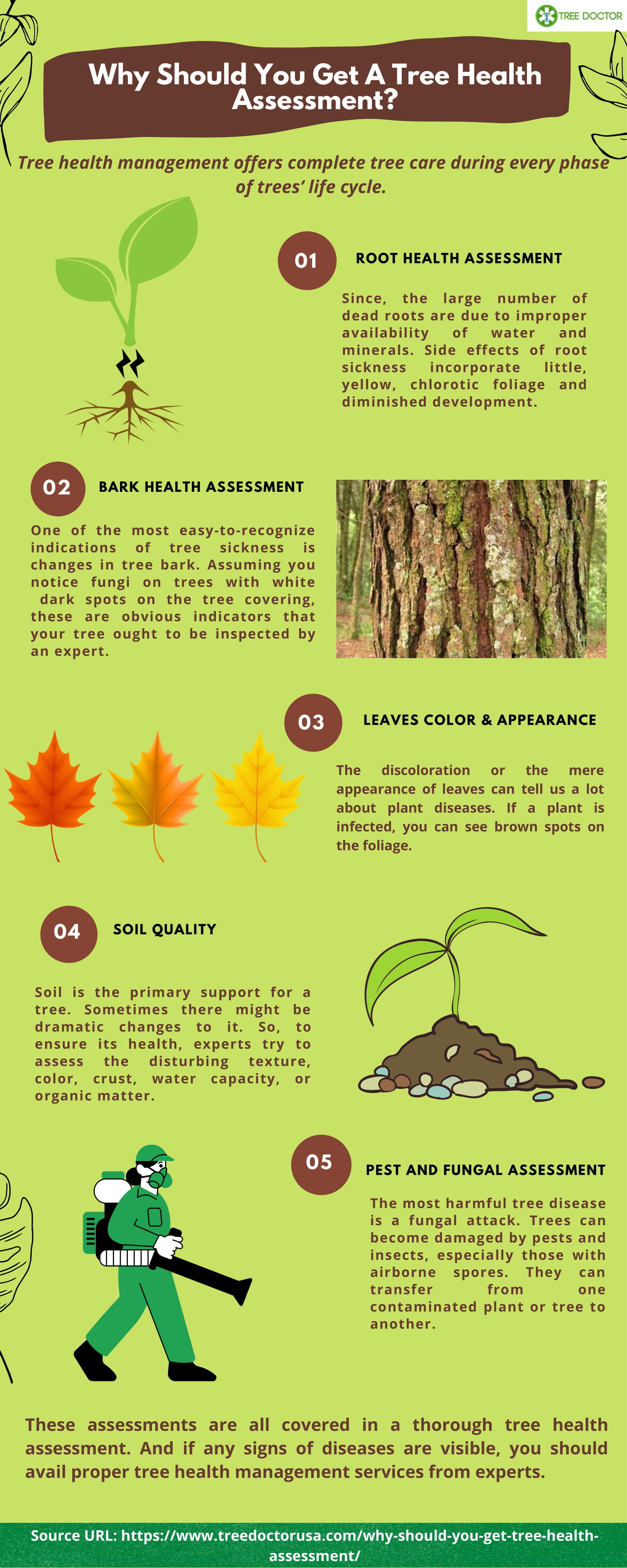
A healthy tree exhibits several key characteristics. Look for vibrant, uniformly colored leaves without unusual spots or deformities. The bark should be intact without cracks, cavities, or fungal growth. Strong branches show flexibility without brittleness, and new growth should be evident each season. Healthy trees also have well-distributed foliage and a balanced canopy structure.
Common Tree Health Problems
Trees face numerous threats that can compromise their health. Recognizing these issues early is crucial for effective treatment.
Pests and Insect Infestations
Insects such as borers, aphids, and caterpillars can cause significant damage. Signs include holes in the bark, discolored leaves, and visible insects. Some pests weaken trees by feeding on leaves or burrowing into the wood, making trees susceptible to diseases and structural failure.
Diseases and Fungal Infections
Fungal diseases like powdery mildew, root rot, and canker diseases present symptoms such , discolored foliage, and oozing bark. Fungal infections often enter through wounds and can spread rapidly, particularly in damp conditions. Early identification is key to preventing systemic infection.
Environmental Stressors
Environmental factors like drought, soil compaction, and pollution stress trees. Symptoms include wilting leaves, reduced growth, and premature leaf drop. Trees in urban areas are particularly vulnerable to stress from limited rooting space, road salt exposure, and mechanical damage.
How to Conduct a Tree Health Assessment
Performing a basic tree health assessment involves a systematic examination of the tree from top to bottom.
Visual Inspection
Begin by observing the overall tree structure. Note any dead branches, leaning posture, or uneven growth. Examine the leaves for discoloration, spots, or abnormal size. Check the bark for cracks, holes, or fungal bodies. Look for signs of insect activity such as sawdust-like material or sticky residue.
Soil and Root Check
Assess the soil around the tree for compaction, poor drainage, or signs of erosion. Gently probe near the roots to check for firmness and stability. Exposed roots should appear firm and light-colored, not dark or mushy. Mushrooms growing near the base may indicate root rot.
Canopy Assessment
Evaluate the tree's canopy density and distribution. A healthy canopy should have full coverage without significant bare patches. Compare current foliage with previous seasons to identify any decline. Note any dead limbs that may require removal.
When to Call a Professional
While basic assessments can be done by property owners, certain situations require professional expertise. Contact a certified arborist if you notice large dead branches, significant leaning, fungal growth at the base, or signs of advanced pest infestation. Professionals have the tools and knowledge to diagnose complex issues and recommend appropriate treatments safely.
Preventative Care for Long-Term Tree Health
Preventative maintenance is the best strategy for tree health. Regular care minimizes problems and promotes vigorous growth. For more detailed guidance on urban tree care, visit https://urbancanopyblog.com/.
Proper Mulching
Apply a 2-4 inch layer of organic mulch around the base of the tree, extending to the drip line. Keep mulch away from the trunk to prevent rot. Mulching conserves soil moisture, regulates temperature, and adds nutrients as it decomposes.
Adequate Watering
Water trees deeply during dry periods, especially young trees. Established trees generally need about 1 inch of water weekly. Water slowly to allow deep penetration, and avoid frequent shallow watering that promotes weak root growth.
Pruning Practices
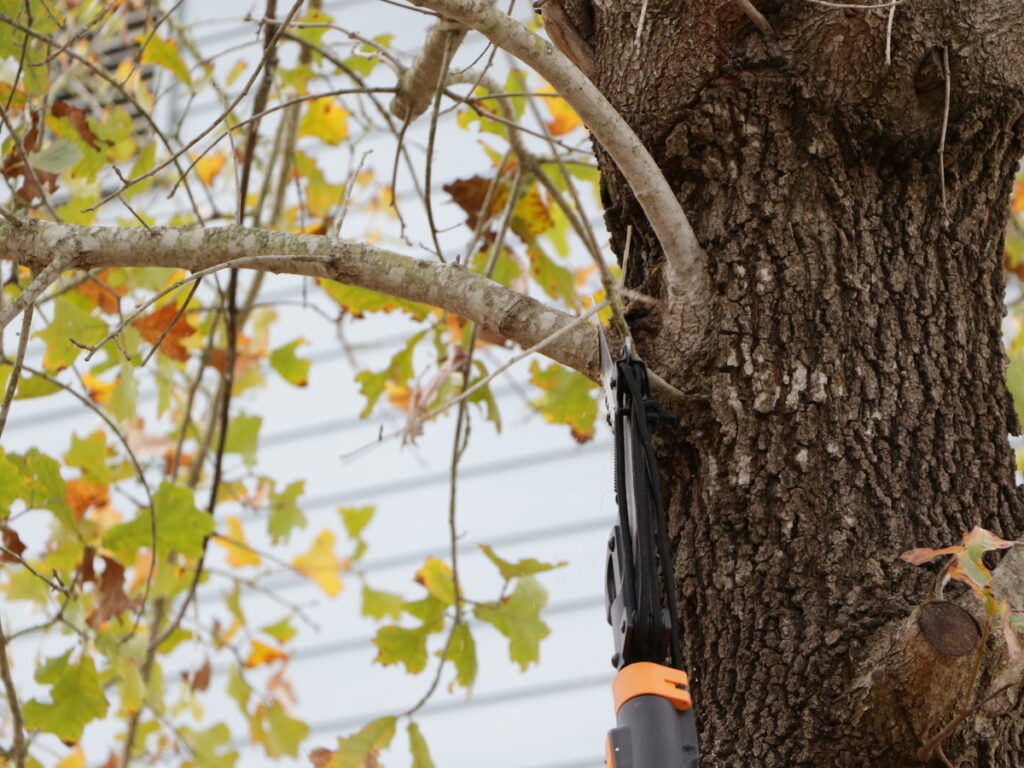
Prune dead, diseased, or crossing branches during the dormant season. Proper pruning improves air circulation and sunlight penetration, reducing disease risk. Avoid removing more than 25% of the canopy in a single year to prevent stress.
Pruning Techniques
Use clean, sharp tools to make cuts just outside the branch collar. Avoid leaving stubs or cutting too close to the trunk. For large branches, use the three-cut method to prevent bark tearing.
FAQs
How often should I assess my tree's health?
Conduct basic assessments at least twice yearly, in spring and fall. Increase frequency during extreme weather or if you notice any changes.
What are the first signs of tree decline?
Early indicators include discolored leaves, reduced growth, dead branches, and fungal growth on the bark or base.
Can I treat tree diseases myself?
Minor issues may be addressed with proper cultural practices, but significant diseases require professional diagnosis and treatment to prevent spread.
How do I know if my tree is a hazard?
Look for large dead branches, cracks in the trunk, significant lean, or uprooting soil. Consult an arborist if you observe these signs.
Should I fertilize my tree regularly?
Fertilize only if soil tests indicate nutrient deficiencies. Over-fertilization can harm trees and pollute waterways.
What time of year is best for tree inspections?
Spring and fall are ideal, as they reveal seasonal growth patterns and prepare trees for upcoming stressors.